
Competitive Gymnastics
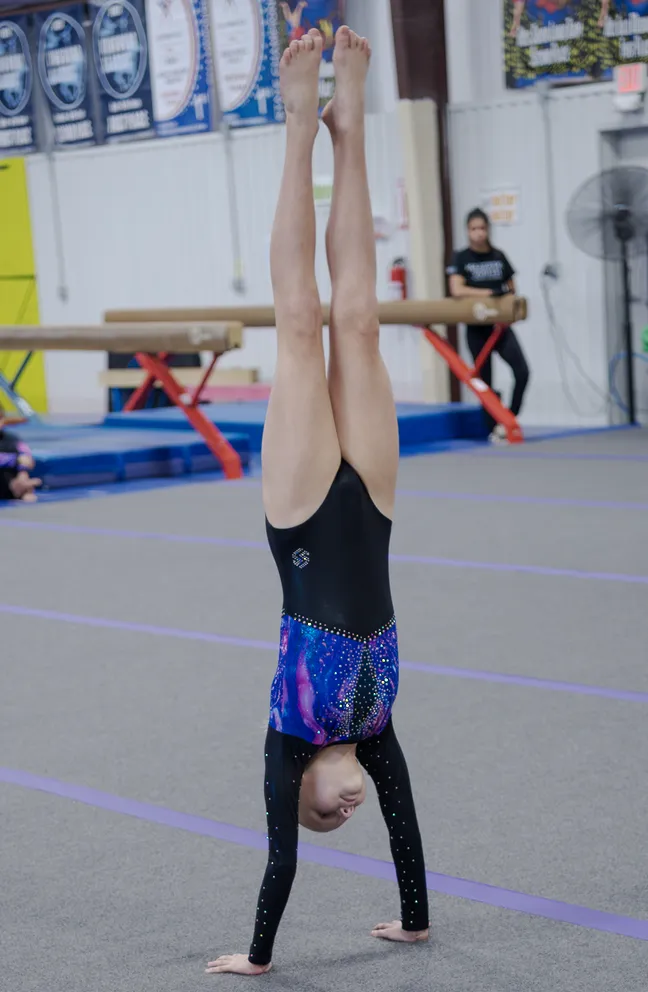
Competitions can help provide motivation for the gymnast to strive towards their goals. The athlete will have the opportunity to display their talent, hard work, and dedication to their sport. The atmosphere of a gymnastics competition is challenging and vibrant. Gymnasts from around the country will come together to push each other in attempts to showcase the best quality of routines. Judges evaluate the routines and award scores for execution, artistry, and technique. These scores provide feedback for the gymnasts on where they can improve and what successes they should strive for in their future training.
Strength
Strength
Gymnasts need to have a great deal of strength and endurance in order to perform their routines. They must be able to perform difficult flips and other skills with their muscular power.
Flexibility
Flexibility
Gymnasts must have a high level of flexibility in order to perform various gymnastics maneuvers and exercises. They must be able to twist and move their bodies into various positions while maintaining proper technique and balance.
Endurance
Endurance
In order to compete or perform routines, gymnasts learn to have a great deal of endurance. This includes being able to perform multiple repetitions of skills and maintain a high level of intensity during the entire program.
Body Control
Body Control
Gymnasts must have the ability to quickly and accurately control their bodies in order to perform specific skills and maneuvers. This includes being able to precisely and powerfully change direction while in mid-air or while on the ground.
Floor Routines
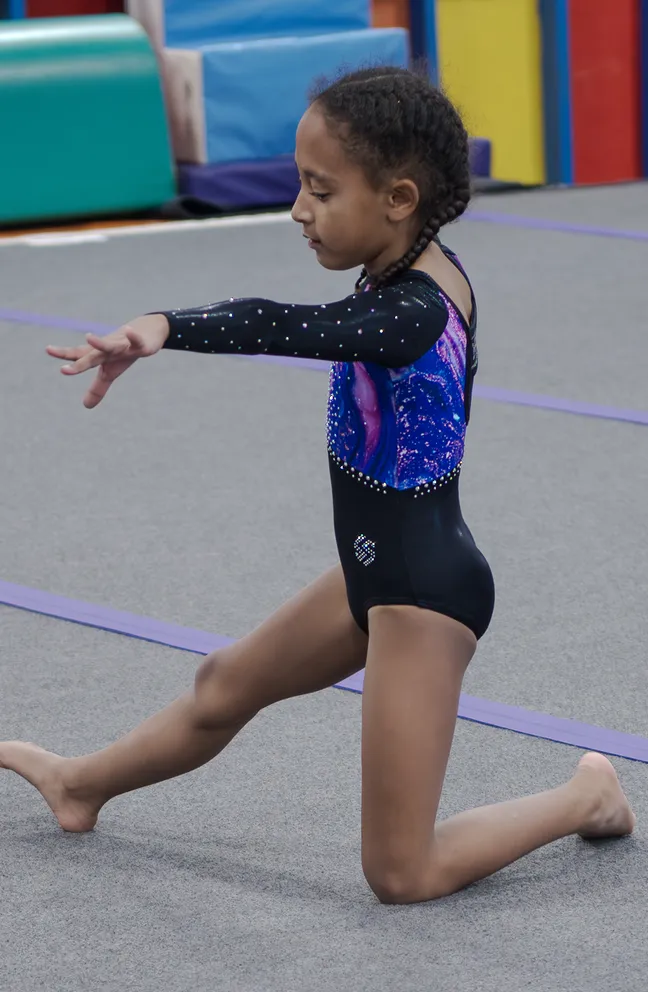
Competitive Gymnastics Floor routines offer a great way to improve gymnastics skills and set the stage for competing in events. Practices focus on teaching various tumbling, acrobatic, and dance skills, as well as integrating these skills into an amazing and dynamic competitive routine. With an emphasis on proper conditioning, spotting techniques, and proper form, these practices will teach you all the tips and tricks to performing a spectacular competitive routine. In addition to enjoying this competitive performance, students also get the added bonus of learning self-discipline, self-confidence, teamwork, and dedication that come with mastering their routine.
Timing
Timing
Being able to accurately time entrances, exits and release of various body parts is essential for gymnasts. Not only do gymnastics learn to time their body movements, but they must also be able to time the assistance of their coaches as well.
Thematic Presentation
Thematic Presentation
Gymnasts must be able to express and communicate a story or concept through their poses and flips. The ability to customize their routines to tell a specific story is highly valued in competitive gymnastics.
Focus
Focus
In order to perform a routine with great technique and precision, a gymnast must have the ability to remain focused and block out distractions.
Balance Beam
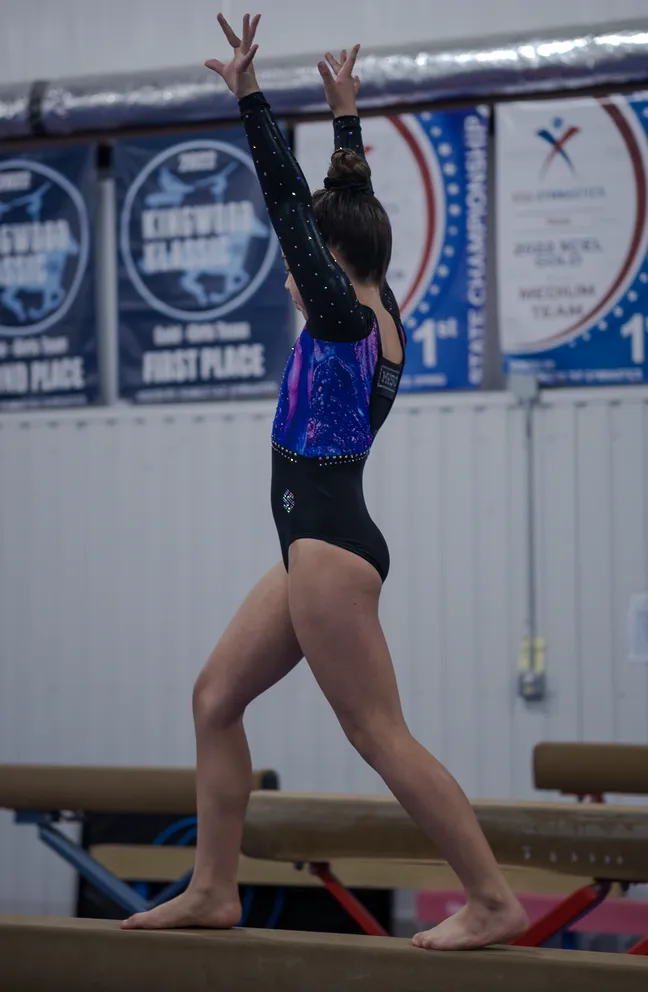
Competitive Gymnastics Beam routines are designed to help develop the skills required to compete successfully at the highest level. Our practices will focus not only on beam routines, but the correct form and technique that each skill requires. Students will learn how to perform elements such as leaps, pirouettes, and acrobatics as well as balance combinations, spins, and handstands. Students will also learn the importance of body alignment and proper technique to ensure a safe and successful routine. With dedicated practice, students will be ready for competitive gymnastic success.
Presentation
Presentation
Gymnastics will develop an aesthetically pleasing and entertaining performance that displays grace and attention to detail.
Strength Training
Strength Training
Gymnastics perform exercises to improve body control and kinesthetic awareness, such as handstand push-ups and pull-ups on the beam.
Choreography and Execution
Choreography and Execution
These practices are designed to help gymnasts learn how to create and execute an effective beam routine. It will focus on refining details and improving the overall look of the beam routine.
Visualization
Visualization
Visualizing each beam routine before performing it is essential for a successful performance. This helps to ensure that each skill is performed with accuracy and precision.
Bars
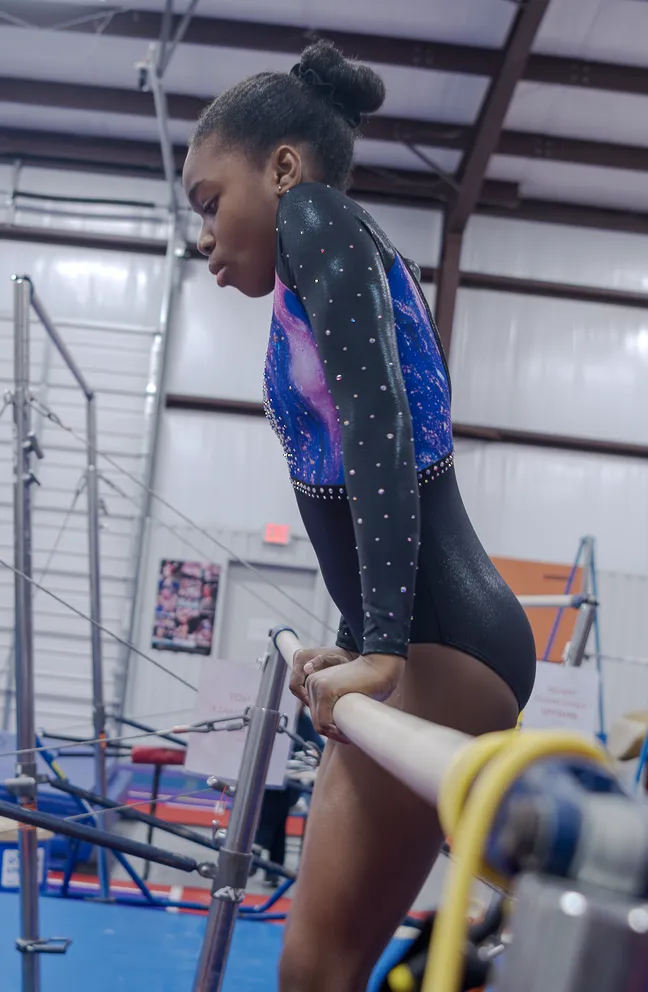
Competitive Gymnastics Uneven Bars routines offer a great opportunity for those looking to take their gymnastic skills to the next level. Through these practices, students learn routines and techniques that are used in the sport of gymnastics at competitive levels. The practices are tailored for those who are looking to compete in gymnastics at a higher level. The practices will teach beginners the fundamentals of the sport as well as give more experienced students an opportunity to refine their skills and learn new ones. Participants learn proper form, technique, and skills as well as how to compete and how to create routines for competition. Safety is heavily emphasized in each of the practices and professional coaches are on-hand to provide guidance and support throughout the practices.
Spatial Awareness
Spatial Awareness
Executing successful bar maneuvers requires a participant to have a good sense of spatial awareness. Practice time is spent developing a greater awareness of the body's movements and position in space.
Flexibility and Body Awareness
Flexibility and Body Awareness
Flexibility is a key component of executing successful gymnastics bar maneuvers. Gymnastics will learn to focus on building flexibility through stretching, balance exercises, and body awareness drills.
Strength Development
Strength Development
Competitive gymnastics bars require a significant amount of strength to complete the various maneuvers. Strength development exercises should include both upper and lower body building to increase power and stability.
Vault
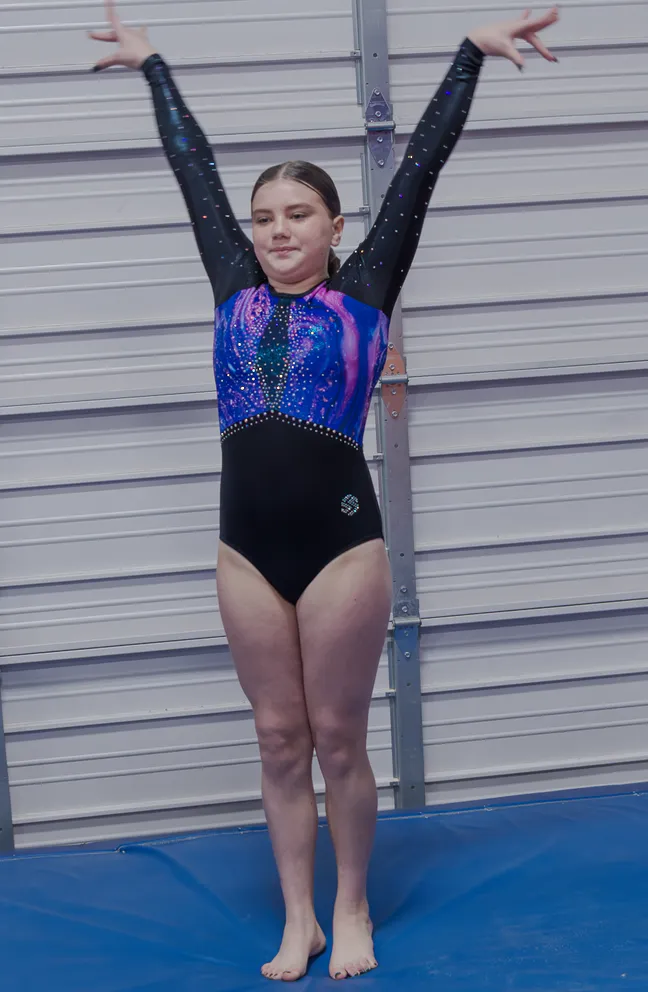
Competitive Gymnastics Vault routines provide a great way for students to build strength, coordination and flexibility in a fun, stimulating and safe environment. These practices incorporate fundamental movements, running, and vaulting equipment to build skills that are essential to succeeding in this sport. Each practice follows a skills progression that begins with developing good form, then moving on to grips and footwork, drills, and connecting more difficult skills. With the guidance of skilled coaches and plenty of practice, students will quickly become familiar with safe and efficient vaulting skills.
Momentum
Momentum
Understanding and controlling their momentum helps to successfully and safely land their vaults.
Flight Control
Flight Control
As gymnastics fly through the air they must have control in order to maintain proper form, execute their elements and land safely.
Mental Toughness
Mental Toughness
Gymnasts learn to have a high level of mental toughness in order to complete difficult and complex vaults.
Focus
Focus
In order to execute their vaults successfully competitive gymnasts learn to remain focused and not be distracted by anything.
Speed
Speed
Starting and executing the vault requires speed and power in order to increase their height off of the vault and safely land their element.